
Beach Photography Guide: Capture Chirala's Beauty - Tips & Best Spots 2026
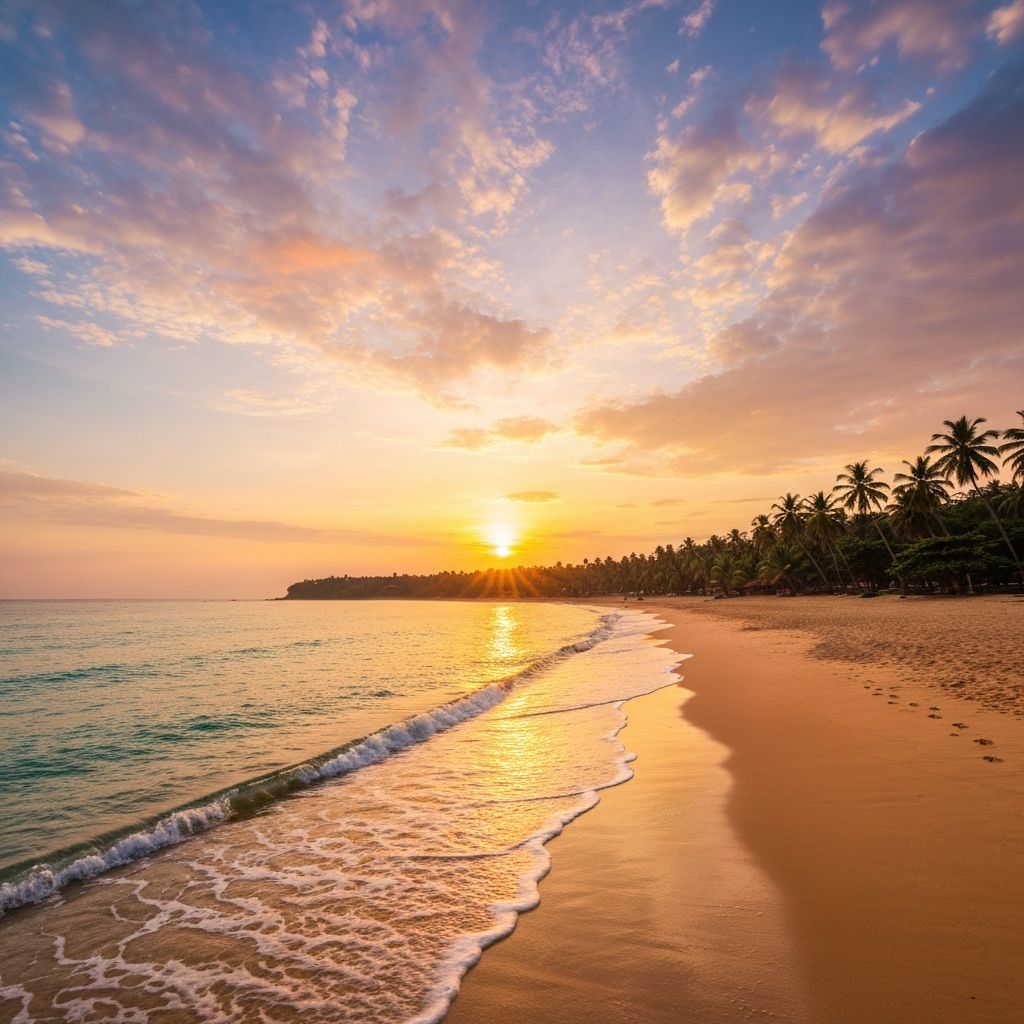
Chirala Beach in Andhra Pradesh offers stunning photographic opportunities, from dramatic sunrises over the Bay of Bengal to golden hour seascapes and traditional fishing boats. Whether you're a professional photographer or smartphone enthusiast, this comprehensive guide will help you capture the coastal beauty of Chirala and Ramapuram beaches.
Best Times for Beach Photography at Chirala
Golden Hour Morning (6:00-7:30 AM)
The absolute best time for beach photography. Soft, warm light creates magical golden tones. Sunrise over the Bay of Bengal is spectacular, with colors ranging from deep purple to orange-red.
Golden Hour Evening (5:30-7:00 PM)
Second-best time for photography. Beautiful warm light, long shadows, and interesting silhouettes. Fishing boats returning to shore add dynamic elements to compositions.
Blue Hour (5:30-6:00 AM & 7:00-7:30 PM)
Twilight periods offer moody, atmospheric shots with deep blue tones. Perfect for long exposures capturing smooth, silky water effects.
Overcast Days
Cloudy weather provides soft, diffused light ideal for detail shots of shells, rocks, and beach textures. No harsh shadows to worry about.
Top Photography Locations at Chirala & Ramapuram
1. SS Grand Beach Resort Beachfront
The stretch of beach in front of SS Grand Beach Resort in Ramapuram offers pristine sand, minimal crowds, and unobstructed sunrise views. The resort's sea-facing cottages make excellent foreground elements. Best shot: Dawn with cottages silhouetted against colorful sky. Coordinates: Approximately 15.8° N, 80.3° E.
2. Chirala Fishing Harbor
Located 3 km north of the main beach, this working harbor offers authentic scenes of traditional fishing life. Colorful boats, nets being mended, and fishermen at work provide documentary-style photo opportunities. Best time: Early morning (5-7 AM) when boats return with the catch. Respect local workers and ask permission before close-up shots.
3. Ramapuram Beach Rock Formations
Natural rock outcrops at the southern end of Ramapuram beach create dramatic foregrounds for seascape photography. Waves crashing against rocks during high tide make for dynamic action shots. Use longer exposures (1-2 seconds) to capture silky water movement. Best during monsoon and post-monsoon (September-November) when waves are larger.
4. Vodarevu Beach Lighthouse Area
8 km from Chirala, Vodarevu offers a different perspective with its lighthouse and fishing village atmosphere. The lighthouse makes an excellent focal point for sunset compositions. Fishing nets drying on the beach add texture and patterns to wide-angle shots.
5. Palm Grove Sections
Areas where coconut palms meet the beach create tropical paradise aesthetics. Perfect for travel photography and social media content. Palm fronds make natural frames for beach views. Best during midday when the sun creates interesting shadow patterns through the palms.
Camera Settings for Beach Photography
Sunrise/Sunset Settings
- Mode: Aperture Priority (A/Av) or Manual (M)
- Aperture: f/8 to f/16 for landscape depth of field
- ISO: 100-400 (keep low to minimize noise)
- Shutter Speed: 1/125s to 1/500s (depends on light levels)
- White Balance: Cloudy or Shade preset for warmer tones
- Metering: Spot or Center-weighted to handle bright skies
- Exposure Compensation: -0.3 to -1.0 EV to prevent blown-out skies
Long Exposure Seascapes
- Shutter Speed: 1-30 seconds for silky water effect
- Aperture: f/11 to f/22
- ISO: 100
- Equipment Needed: Sturdy tripod, ND filter (6-10 stops), remote shutter release
- Best Time: Blue hour or overcast days
Midday Beach Shots
- Aperture: f/2.8 to f/5.6 for subject isolation
- Shutter Speed: 1/500s to 1/2000s (bright light)
- ISO: 100-200
- Use: Polarizing filter to reduce glare and enhance blue water/sky
- Focus: On foreground subjects like shells, footprints, or beach details
Composition Techniques for Beach Photography
Rule of Thirds
Position the horizon on the upper or lower third line, never in the center. For dramatic skies (sunrise/sunset), place horizon on lower third. For interesting foreground elements (rocks, boats), place horizon on upper third.
Leading Lines
Use natural lines to guide viewer's eye: wave patterns, footprints in sand, shoreline, fishing nets, or palm tree shadows. These create depth and draw attention to your main subject.
Foreground Interest
Always include strong foreground elements to add depth to beach landscapes. Options at Chirala: driftwood, shells, rocks, beach grass, fishing boats, or footprints. Use wide-angle lens (16-35mm) to emphasize foreground.
Silhouettes
During golden hour, position subjects (people, fishing boats, palm trees) against bright sky for dramatic silhouettes. Meter for the sky to keep subjects dark. Works best with recognizable shapes and clean outlines.
Reflections
After waves recede, wet sand creates mirror-like reflections of sky, clouds, and subjects. Shoot low to the ground during golden hour for stunning reflection compositions. Best on days with dramatic cloud formations.
Smartphone Photography Tips
You don't need expensive equipment to capture great beach photos. Modern smartphones are incredibly capable:
- Clean Your Lens: Beach spray and sand can smudge lenses. Clean before shooting
- HDR Mode: Use for high-contrast scenes (bright sky, darker beach)
- Tap to Focus: Tap on your main subject, then adjust exposure slider
- Grid Lines: Enable grid for proper composition alignment
- Portrait Mode: For subjects (people, boats) to blur background
- Shoot RAW: If your phone supports it, for better editing flexibility
- Avoid Digital Zoom: Move closer instead of zooming for better quality
- Apps: Use Lightroom Mobile or VSCO for professional editing
Essential Photography Equipment
Must-Have Gear
- Tripod: Stable tripod for long exposures and low-light shots
- Lens Cloth: To clean salt spray and sand from lens
- Polarizing Filter: Reduces glare, enhances sky and water colors
- ND Filter: For long exposures in daylight (6-10 stops recommended)
- Extra Batteries: Cold morning air drains batteries faster
- Rain Cover: Protect camera from sea spray and sudden showers
Recommended Lenses
- Wide-Angle (16-35mm): For expansive landscapes and foreground emphasis
- Standard Zoom (24-70mm): Versatile for various beach scenes
- Telephoto (70-200mm): For fishing boats, wildlife, and compressed perspectives
Post-Processing Tips
Basic Adjustments
- Exposure: Lift shadows slightly to recover beach detail
- Highlights: Pull down to recover blown-out sky areas
- Vibrance: Boost 10-20% to enhance beach colors without oversaturation
- Clarity: Add 10-15% for definition in clouds and water
- Sharpening: Apply moderate sharpening (amount: 40-60)
Advanced Techniques
- Graduated Filter: Darken sky separately from foreground
- HSL Adjustments: Boost blue and orange hues for vibrant beach scenes
- Dehaze: Add clarity to distant elements and atmospheric depth
- Vignetting: Subtle darkening of edges draws eye to center
Best Seasons for Photography
Winter (November-February): Best overall season. Clear skies, dramatic sunrises, pleasant weather for extended shoots. Fishing activity at peak provides abundant subjects.
Post-Monsoon (October): Exceptionally clear air after rains. Vibrant green coastal vegetation. Fewer tourists mean emptier beaches for clean compositions.
Monsoon (July-September): Dramatic weather for moody, atmospheric shots. Rough seas create dynamic wave action. Not ideal for casual photography but rewarding for experienced photographers.
Photography Etiquette and Safety
- Always ask permission before photographing local fishermen or residents
- Respect private property boundaries and resort guest privacy
- Don't disturb wildlife or nesting areas
- Take all trash with you, leave no trace
- Watch for waves while shooting near water's edge
- Protect equipment from sand and salt spray
- Be mindful of other photographers' compositions
Instagram-Worthy Spots at Chirala
1. Sunrise Point near SS Grand Resort: Unobstructed eastern horizon, perfect for sunrise silhouettes
2. Fishing Boat Clusters: Colorful boats lined up on beach create vibrant compositions
3. Palm Tree Swings: Some beach areas have traditional rope swings - perfect for lifestyle shots
4. Ramapuram Rock Pools: Tide pools with marine life during low tide
5. Resort Beach Cottages: Architectural interest with sea backdrop
Conclusion: Capture Chirala's Coastal Magic
Chirala Beach offers endless photographic possibilities, from spectacular sunrises to authentic fishing village scenes. The key to great beach photography is timing (golden hours), composition (foreground interest), and patience (waiting for perfect light).
Whether you're shooting with a professional DSLR or smartphone, Chirala's pristine beaches, dramatic skies, and authentic coastal culture provide the perfect canvas for memorable images. Stay at SS Grand Beach Resort for convenient access to the best photography locations and wake up to golden hour light right outside your sea-facing cottage.